Traditional Mongolian Medicine
A Path to Balance Harmony Health
The website of Sainbuyan Natsagdorj, PhD
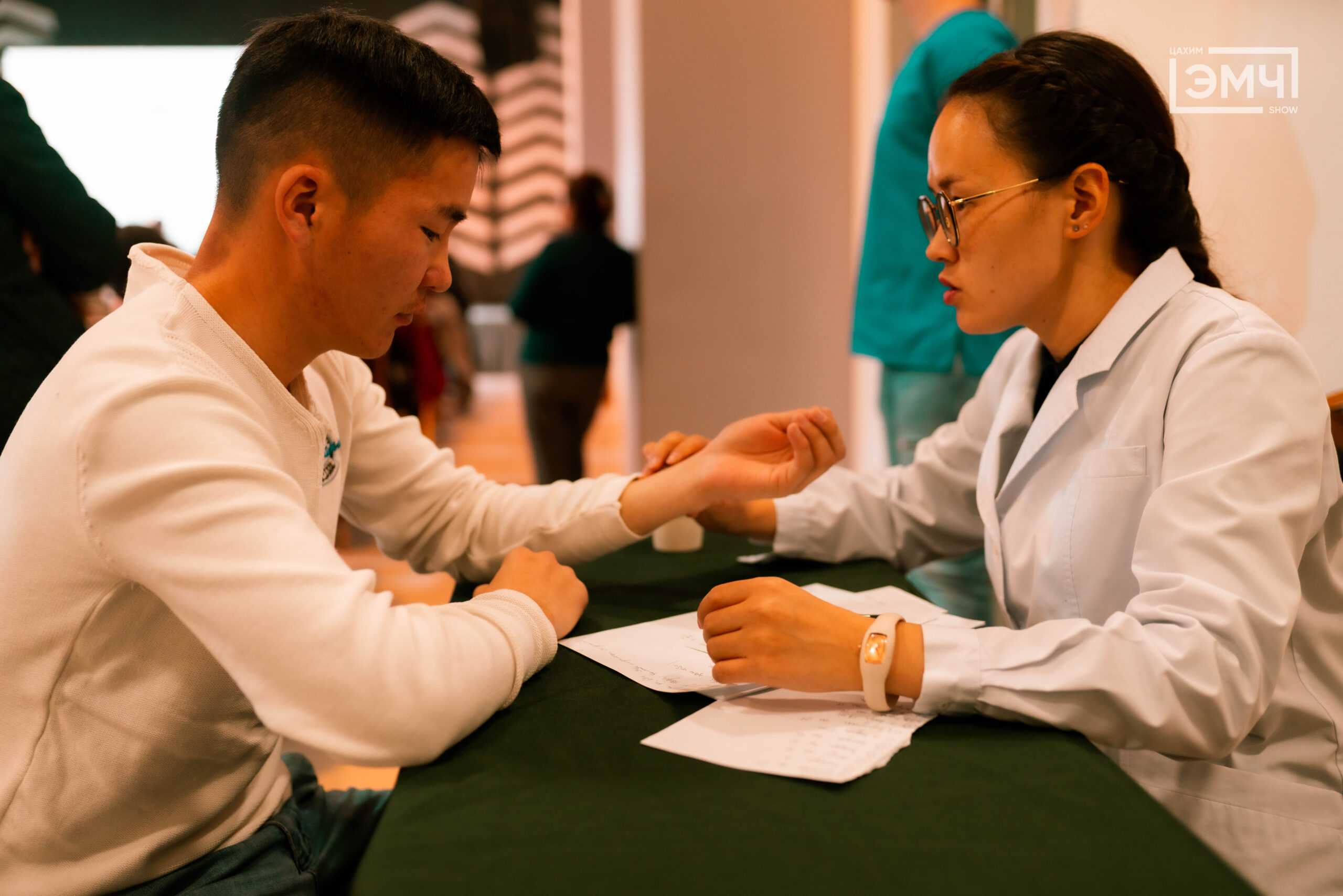
Pulse diagnosis
Diagnosis – The core diagnostic techniques in Тraditional Mongolian Мedicine(ТММ) are inquiry, observation, and palpation.
Inquiry – anamnesis
Observation – Visual diagnostic method including urine analysis and tongue analysis in general. By observing the urine and tongue, physicians can understand the individual’s health state.
The tongue is seen as the flower of the heart in TMM and its characteristics such as color, moisture, shape, coating, cracks, and tooth marks give clear information about one’s health.
Urine analysis – Examining the urine gives important information about the body. The patient’s first-morning urine (urine after midnight) is collected and kept in a clean container.
Palpitation – It mainly emphasizes pulse reading on physical, energetic, and spiritual levels.
The pulse in health and disease can be determined by the rate, nature, and volume of the radial artery.
What can’t you do before an appointment?
To be properly prepared for an appointment, avoid below mentioned precautions at least one day before receiving the diagnosis, as some factors may influence pulse, tongue, and urine analysis.
Food and drinks to avoid
- Strong tea, coffee, Coca-Cola, beverages based on gas in excess
- Alcohol, too fatty or spicy food
- Too sweet food and drink
- Food and drinks with color can affect tongue and urine color
Lifestyles to avoid
- Fasting, purgatives, vomiting, lack of sleep, heavy physical or mental work, excessive sleep during the day.
- Drinking too much or a small amount of liquid on the previous day of examination which leads to misdiagnosis
Acupuncture therapy
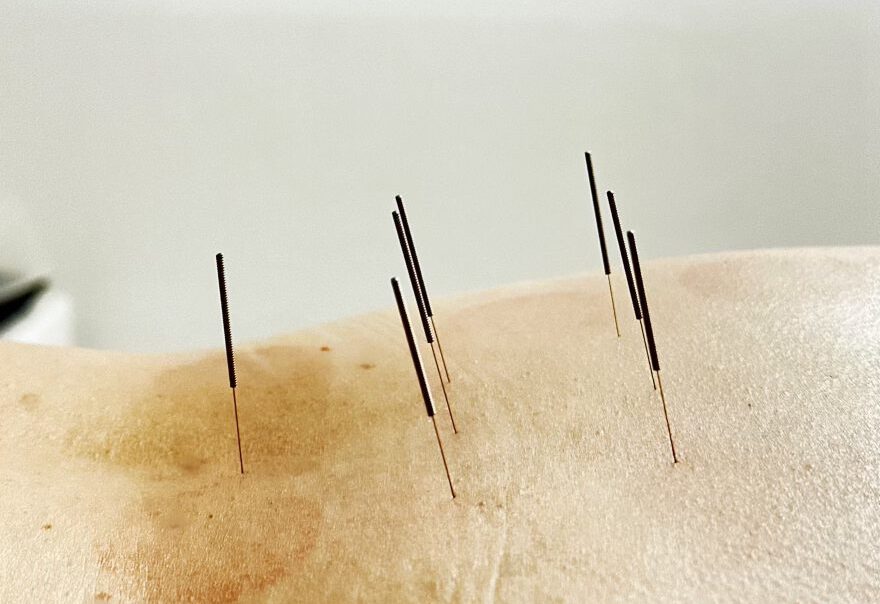
Acupuncture is a traditional Chinese medical practice that has been used for over 2500 years. It involves the insertion of thin needles into specific points on the body. This ancient healing technique has gained popularity worldwide for its therapeutic benefits in treating various health conditions. There are 12 standard meridians and 361 points in the body that are considered as pathways for Qi energy (vital energy) flow.
Benefits of acupuncture
Research has shown that acupuncture can stimulate the body’s self-healing abilities, alleviate pain, reduce inflammation, improve circulation, balance hormones, modulate the immune system, reduce stress, and promote relaxation and well-being. It is often used as a complementary therapy for conditions such as chronic pain (e.g., back and neck pain), migraines, tendonitis, carpal tunnel syndrome, arthritis, anxiety, depression, digestive issues, hormonal imbalances, menstrual cramps, menopausal symptoms, high blood pressure, cognitive decline, infertility, and insomnia.
How does it work?
Acupuncture points are rich in nerve fibers, which can produce various physiological responses. From a scientific perspective, the mechanism of acupuncture is believed to involve the stimulation of nerves, muscles, and connective tissue. This stimulation can result in the release of endorphins and other neurotransmitters, as well as balance the autonomic nervous system.
When acupuncture needles are inserted into specific acupuncture points, they stimulate sensory receptors under the skin and in muscles. This stimulation sends signals to the central nervous system, triggering the release of endorphins, which act as the body’s natural painkillers. Additionally, acupuncture is thought to modulate the activity of neurotransmitters, such as serotonin and dopamine, which play a role in regulating mood, pain perception, and other physiological functions.
DOs and DONTs after an acupuncture session
After an acupuncture session, it is recommended to avoid stressful situations, caffeine, extreme temperature differences (hot and cold), junk foods, alcohol, and strenuous exercise to maximize the therapeutic effect. Instead, one should drink enough warm water, rest and relax more, engage in light movement, and eat healthily to support the healing process.
Moxibustion therapy
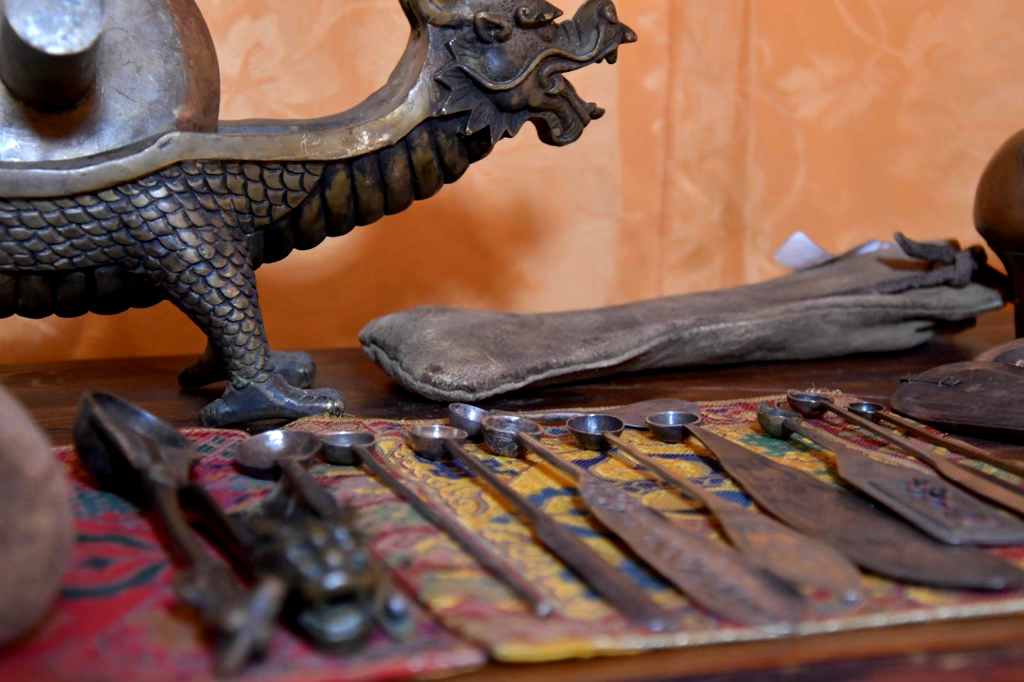
Moxibustion is one of the external therapies of Mongolian medicine that cures many ailments by applying the heat produced by a mugwort cone, herbs, and stones on specific body points.
Due to the very harsh and cold climate, moxibustion treatment originated in Mongolia a long time ago to remove energy blockages, relieve pain, increase blood circulation, and cure internal organs and was later introduced to neighboring countries.
There are two types of moxibustion: direct and indirect, and it has many forms such as herbal, stone, moxa stick, and felt, among others.
In Traditional Chinese Medicine, it is said that where a needle doesn’t work, moxibustion does.
Scientifically, the mechanism of moxibustion is explained as a thermal effect, radiation effect, and pharmacological action. The thermal effect of moxibustion is to promote blood circulation and improve cell and enzyme activities. Burning moxa emits visible light and infrared radiation that enhances the metabolism and thermogenesis (production of heat) of organs where it reaches and regulates the immune system. The pharmacological actions of moxibustion depend on its active ingredients, and in general, it acts as an aromatherapy.
Indication and Counter indications
- Moxibustion is advised for conditions such as indigestion, edema, low metabolism, pain relief, bloating, psychosis, insomnia, stress, anxiety, panic attacks, forgetfulness, benign tumors, gynecological diseases, post-menopause syndrome, neurological problems, hormonal imbalance, hypothyroidism, headache, vertigo, joint problems, arthritis, and some skin problems.Also, moxibustion detoxifies and rejuvenates the body, relieves fatigue, and improves immunity.In general, the treatment is good for cold-natured diseases such as wind and phlegm.
- Moxibustion is prohibited for inflammation, infection, blood disorders, fever, severe skin problems, and, in general, hot-natured disorders caused by bile. Also, moxibustion should be avoided on the sensory organs and hollow organs after eating.
There are 71 basic points of moxibustion
- Front points 22
- Back points 20
- Head and extremities 29
What to avoid after moxibustion
- Do not drink cold water until the next day, which can suppress the treatment’s effect.
- Avoid cold showers and cold wind after moxibustion.
- Keep the area where moxibustion was performed clean.
About
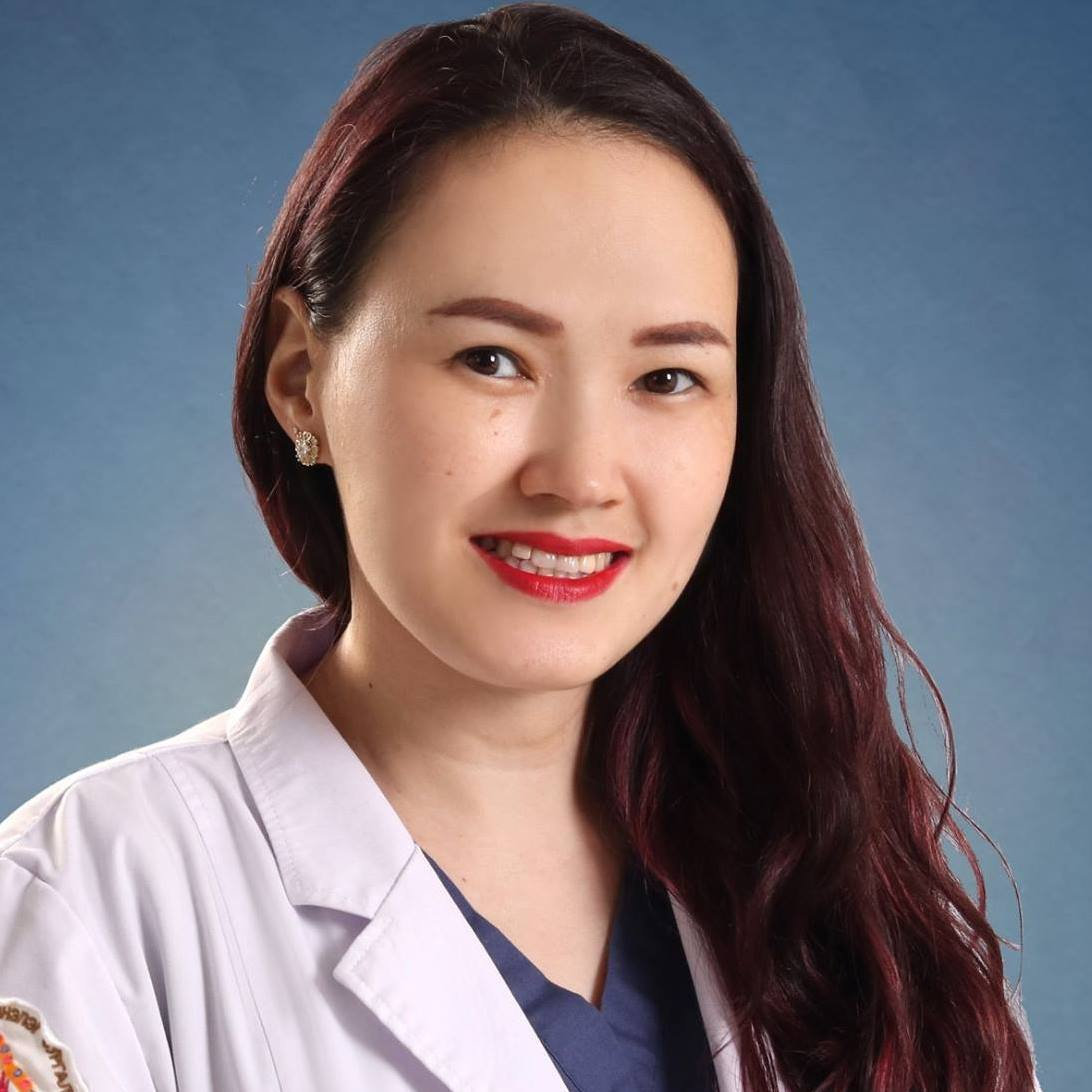
Sainbuyan Natsagdorj, PhD
I’m a Traditional Mongolian physician, teacher, and meditator
I have received the lineage of this wonderful medicine from my father who is one of the leaders of the Buddhist faith in Mongolia and masterfully bridges faith and science.
Growing up in an environment of traditional medicine such as the beautiful aroma of medicinal herbs and the sounds of healing mantras and chantings strongly influenced me to study this medicine.
After graduating from Otoch Manramba Traditional Medical University in Ulaanbaatar, Mongolia, I began my journey as both a lecturer and a doctor.
Thanks to my professors, I had the wonderful opportunity to contribute to international joint projects between Mongolia and Taiwan, with a focus on traditional diagnostic methods such as tongue analysis and the efficacy of herbal medicine for peptic ulcers and hyperlipidemia.
As a traditional medical physician, I assist individuals with a diverse range of health concerns, including muscle pain, back pain, headache, gynecological problems, neurological issues, digestive disorders, bell’s palsy, burnout, insomnia, panic attacks, thyroid problems, heart and blood circulation problems, body balancing and preparation for in vitro fertilization while using herbal medicine and therapies such as massage, moxibustion, and acupuncture.
My overarching goal is to carry forward my father’s legacy of aiding others, preserving our ancient medical heritage, and passing it down to future generations for the well-being of all sentient beings.
Currently residing in Bulgaria, I am dedicated to sharing knowledge on balanced and healthy living with those seeking it. Feel free to explore the treasures of traditional Mongolian medicine with me.
Education and training
2021
Thai massage course. Thai Massage School of Chiang Mai, Thailand, NCBTMB-approved provider, Sofia
2020
Certification of completion in TIHTC Acupuncture and Traditional Medicine Taiwan International Healthcare Training Center
2013-2016
PhD in Medical Engineering at Cheng Shiu University, Kaohsiung, Taiwan
2012
Certification of lecturer. Educational Institute of Ministry of Education and Science, Ulaanbaatar, Mongolia
2009-2012
M.S. in Traditional medicine at “Otoch Manramba” Traditional Medical University, Ulaanbaatar, Mongolia
2002-2008
Bachelor’s degree in Traditional medical doctor at “Otoch Manramba” Traditional Medical University, Ulaanbaatar, Mongolia
Symptoms of the energy disturbances
Maintaining a delicate balance among three energies is crucial for sustaining health and regulating the body and mind's normal functions...
Read More